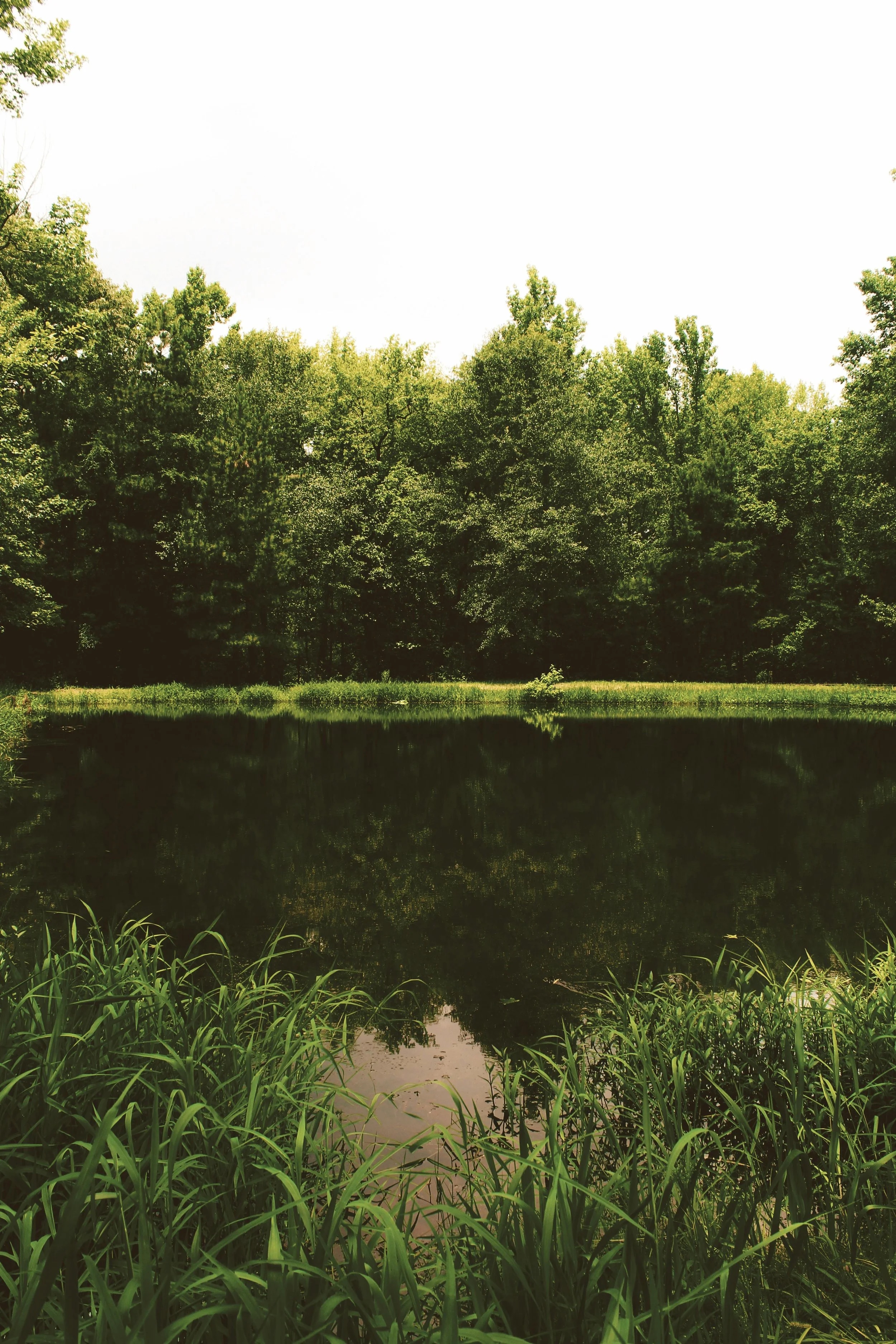
A BMP inspection checks whether your stormwater ponds and other stormwater controls are working and what they need. BMP stands for best management practice. You get a written report with a completed checklist for each BMP, captioned photos, findings and prioritized corrective actions.
Who this is for
This guide is for people responsible for stormwater ponds or BMPs, including:
- HOA boards and community managers
- Property managers
- Golf superintendents and club managers
You don’t need to be a stormwater expert to order an inspection. If you aren’t sure which ponds or BMPs you’re responsible for, start with what you know and send us that. We review your approved plans and maintenance agreement as part of the job.

Do you have to inspect your BMPs?
That depends on the site and its local rules. Your stormwater permit, the recorded maintenance agreement for the property and your local ordinance set who is responsible and how often the BMPs must be inspected. If you are not sure what applies to your property, we can help you find out.
A good first question for your board or manager is simple: are we currently doing annual BMP inspections? If nobody knows, find out who last inspected the site and whether there is a report on file.
What we inspect
We build on the Clemson Cooperative Extension Post-Construction BMP inspection checklists, along with your approved plans, recorded maintenance agreement, local reporting requirements and any manufacturer’s instructions. Each BMP gets one ID that carries through the checklist, photos and report, and we work from the inflow through to the outlet and where it discharges.
- Wet ponds: inlet pipes, forebay sediment and debris, shoreline and side slope erosion, vegetation, embankment cracking, burrows or seepage, outlet structures, trash racks, the emergency spillway and downstream riprap.
- Swales and bioswales: the full length, including sediment, bare areas, gullies, vegetation and outlet erosion.
- Level spreaders: the lip for settlement, cracking or undercutting, plus sediment and signs of water bypassing it.
- Vegetated filter strips: coverage, bare soil, gullies and whether runoff is concentrating instead of spreading out.
- Pervious pavers: surface clogging, weeds in joints, settlement and accessible underdrains.
- Water quality units: accessible inflows, sediment, oil, filters, outlets and bypasses, checked against the manufacturer’s instructions.

What you get
Most information on BMP inspections is written for inspectors. A board or manager usually has a different question: what needs work, and in what order?
Your report includes:
- A location map of your BMPs
- A completed checklist for each one, rated fully functional, minor functional issues, partially functional or not functional
- At least four captioned photos per BMP, plus every deficiency close up and in context
- Findings, corrective actions and priorities
- Anything we couldn’t access or verify, named as such rather than marked okay
- The next inspection due date
What it costs
We quote per site, based on how many BMPs you have, what type they are and how far we travel. If several are on one site or nearby parcels, they’re done on one trip. Any testing or repairs are quoted separately, once you know what the site needs. That can include CCTV, surveys or sediment depth work.
What an inspection can lead to
An inspection tells you what needs attention. You still need someone who can do the work. Ei’s services include:
- Eroding pond banks. We do shoreline stabilization and erosion control with geotextile fabric. A bulkhead is the structural alternative.
- Drainage problems. We do drainage repair and pipe work. After a site visit at one association, we recommended about 600 feet of 12 inch pipe and four rear-yard catch basins.
- Pipes you can’t see into. CCTV pipe inspection is one way to look inside a pipe.
- Ponds that may need dredging. We have provided dredging estimates.
- Overgrown stormwater controls. We have proposed vegetation clearing at stormwater control measures.
For pond and lake banks, the shoreline option can include ShoreMesh, the geotextile material Ei makes itself. ShoreMesh is for still water only. It’s not for rivers or other moving water.
Because one company can inspect the site and quote the repair, you can hand off more of the process. Repair proposals carry the same BMP ID and finding number as your report.
Who does the inspection
Ei is a stormwater services company based in Charleston, SC. Our inspections are led by a Clemson certified BMP inspector. Inspections that require an engineer are handled with an engineering partner.
Ask us about your location and we will tell you whether we can inspect your site.
How to get started
You don’t need to book a visit to get the conversation started. Send us:
- The property name and address
- Which ponds or BMPs you want inspected
- Some pictures of any areas of concern
- The date of your last inspection, if you know it
If you can tell us which ponds you mean, we can measure them from satellite. Then we can begin to prepare a quote.
Call (843) 259-2097 or request a free needs assessment.
Common questions
Is a BMP inspection the same as a stormwater assessment?
They’re related, but they may not be priced the same way. Ask what the quote includes, and whether you will get a maintenance and budget plan.
Do you only inspect HOA ponds?
No. Our work includes communities, commercial properties and golf courses.
Will you tell us what to fix first?
That’s the purpose of a prioritized plan. It gives your board, owner or club a clear order of work and a number to plan around.
Can you also do the repairs?
Often, yes. Our work includes shoreline stabilization, drainage repair and pipe work. Complex work is scoped and quoted individually.